Why Home Builders Mornington Peninsula Are Moving Toward Split-Level Designs on Sloping Sites
Why Home Builders Mornington Peninsula Are Moving Toward Split-Level Designs on Sloping Sites
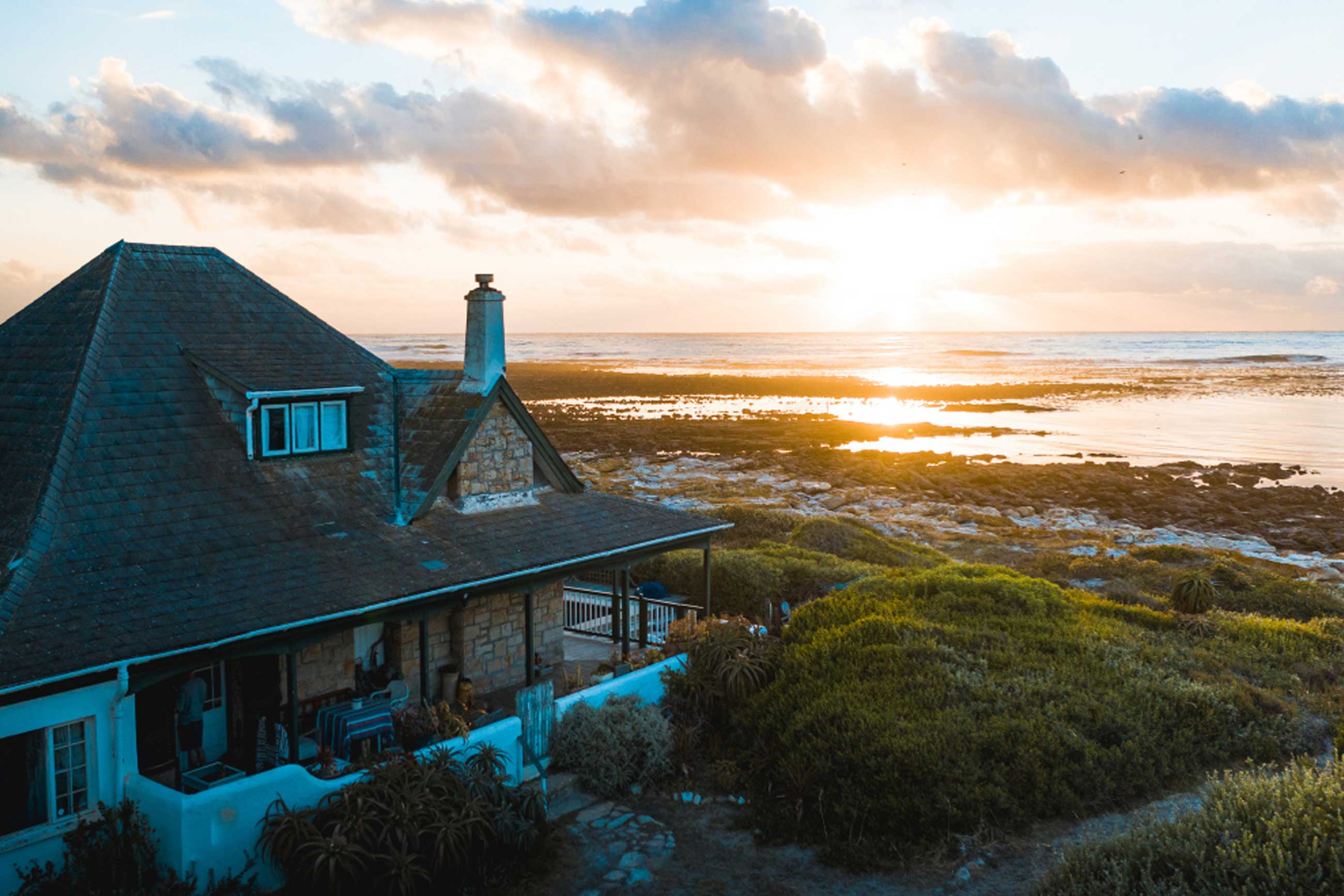
The Mornington Peninsula presents a unique challenge for home builders. Sloping blocks dominate many coastal and elevated areas, and traditional flat-home designs often struggle to deliver efficiency, views, and liveability on this terrain.
In response, experienced builders in Mornington Peninsula increasingly turn to split-level designs. Learn what this kind of home design holds and what it’s benefits are for topographies such as that of the Mornington Peninsula in our guide below.
What is a Split-Level Home?
A split-level home is a residential design that organises living spaces across multiple staggered floor levels rather than stacking them vertically or spreading them across a single plane. Each level typically shifts by half a storey, connected by short internal staircases.
Experienced builders Mornington Peninsula locals trust often position these slabs to align with the natural slope of the land, which reduces the need for excessive excavation and large retaining structures.
This configuration allows the home to step naturally with changes in ground level.
The Strategic Benefits of Split-Level Design for the Mornington Peninsula
The Mornington Peninsula features coastal escarpments, rolling hills and elevated ridgelines that shape how homes sit on the land. Much of the peninsula becomes noticeably hilly toward Boneo, Red Hill and Arthurs Seat with the peninsula’s highest point sitting at roughly 305 m.
This means that many residential lots present a front-to-back or side-to-side fall rather than a flat building pad.
Additionally, local planning and design guidance also urges development that responds to work with existing topography. This is why local builders like us at TEMSEA often lean towards split-level designs for such areas.
Apart from compliance, here are other strategic benefits of split-level home designs on the Mornington Peninsula:
Reduced excavation and retaining costs through terrain-responsive construction
On sloping blocks, traditional single-level designs often require extensive earthworks, including cutting into soil, levelling ground, and constructing high retaining walls to create usable platforms. These site preparations can significantly drive up construction costs and extend build timelines.
In contrast, instead of defying the slope, split-level homes use it as part of the design logic. Builders align floor slabs with the existing contour lines, meaning fewer cubic metres of soil need to be removed or filled. Retaining walls also become smaller and better integrated into the home’s layout instead of standing as large, standalone structures.
This results in:
- Lower contractor costs for earthmoving and machinery time.
- Reduced need for engineered soil stabilisation solutions.
- Less impact on neighbouring properties and landscape integrity.
This is especially true for peninsula lots with steeper front-to-back gradients, where levelling the entire site would otherwise require significant cut and fill.
Maximised views, natural light, and passive performance
Mornington Peninsula homeowners and buyers highly value views, light, and indoor-outdoor living, whether overlooking Port Phillip Bay, Western Port, or natural vegetation corridors. Split-level design inherently supports these priorities.
By stepping living spaces upward on different levels, architects can customise:
- Window placement to capture sightlines without excessive screening or high glazing.
- Living area elevations so they look out rather than look up at neighbouring roofs.
- Orientation for effective solar access, placing communal zones where they receive morning and afternoon light without overheating.
Unlike flat designs that sit squat on a slope (or require raised platforms), split levels give interior spaces graded access to external environmental benefits. Natural ventilation also improves through cross-level circulation where warmer air rises and escapes at higher levels while cooler air enters lower zones.
This creates homes that feel brighter, fresher, and more connected to their surroundings.
Enhanced spacial zoning with efficient footprint use
A split-level plan creates distinct functional zones without requiring a large overall footprint or long internal corridors. Here’s how:
- Clear zoning: Bedrooms can occupy quieter intermediate floors while living spaces can sit above grade for light and views. Garages and utilities can sit at the lowest point with direct site access.
- Flow efficiency: Short stair transitions replace long hallways, meaning less circulation space and more usable area.
- Acoustic separation: Separated slabs reduce sound transfer between zones, improving privacy for families and guests.
Geotechnical and environmental disruption with less structural disruption
Engineering and soil stability are critical on sloped terrain, especially in Mornington Peninsula areas that are susceptible to landslides. Deep cuts, major fill works, or large retaining structures can destabilise soil and increase geotechnical risk.
Split-level designs reduce this structural disruption by:
- Minimising deep earth removal that alters the natural stress profile of the soil.
- Integrating retaining elements into the home’s structure instead of relying on standalone engineered walls.
- Lowering the scale of excavation required for basements or large flat pads.
Reduced engineering intervention also lowers the risk of soil movement issues that can occur when heavy machinery cuts significantly into slopes.
From an environmental standpoint, this approach preserves more of the natural hydrology and vegetation on site. Water movement also follows its original path, reducing stormwater management challenges.
Distinctive architecture that increases value and market appeal
Split-level homes on slopes produce a layered architectural language that features varying rooflines, staggered façades, and dynamic internal volumes. These characteristics create visual interest from the street and within the home, making them feel more bespoke rather than cookie-cutter. The design also maximises perceived space.
In the Mornington Peninsula market where buyers often prioritise design quality, outlook, and lifestyle, this architectural expression can translate into stronger market appeal. Properties that integrate slope and design intelligently also often stand out in listings and open houses, making resale more compelling.
Build Smarter on Sloping Land with a Split-Level Home
On the Mornington Peninsula, split-level homes make sense both visually and structurally. They work with the land, reduce unnecessary excavation, and allow builders to manage slope conditions more efficiently while delivering stronger design outcomes.
The result is a home that looks considered, performs better, and avoids many of the cost pressures associated with sloping sites.
However, for a split-level build to succeed, local experience matters. At TEMSEA, we bring proven expertise as trusted builders on the Mornington Peninsula, delivering custom homes designed specifically for complex sites.
Talk to us today to explore a split-level solution that suits your land and your long-term goals.