Roofing Choices for Coastal Durability: Expert Insights from Builders Mornington Peninsula
Roofing Choices for Coastal Durability: Expert Insights from Builders Mornington Peninsula
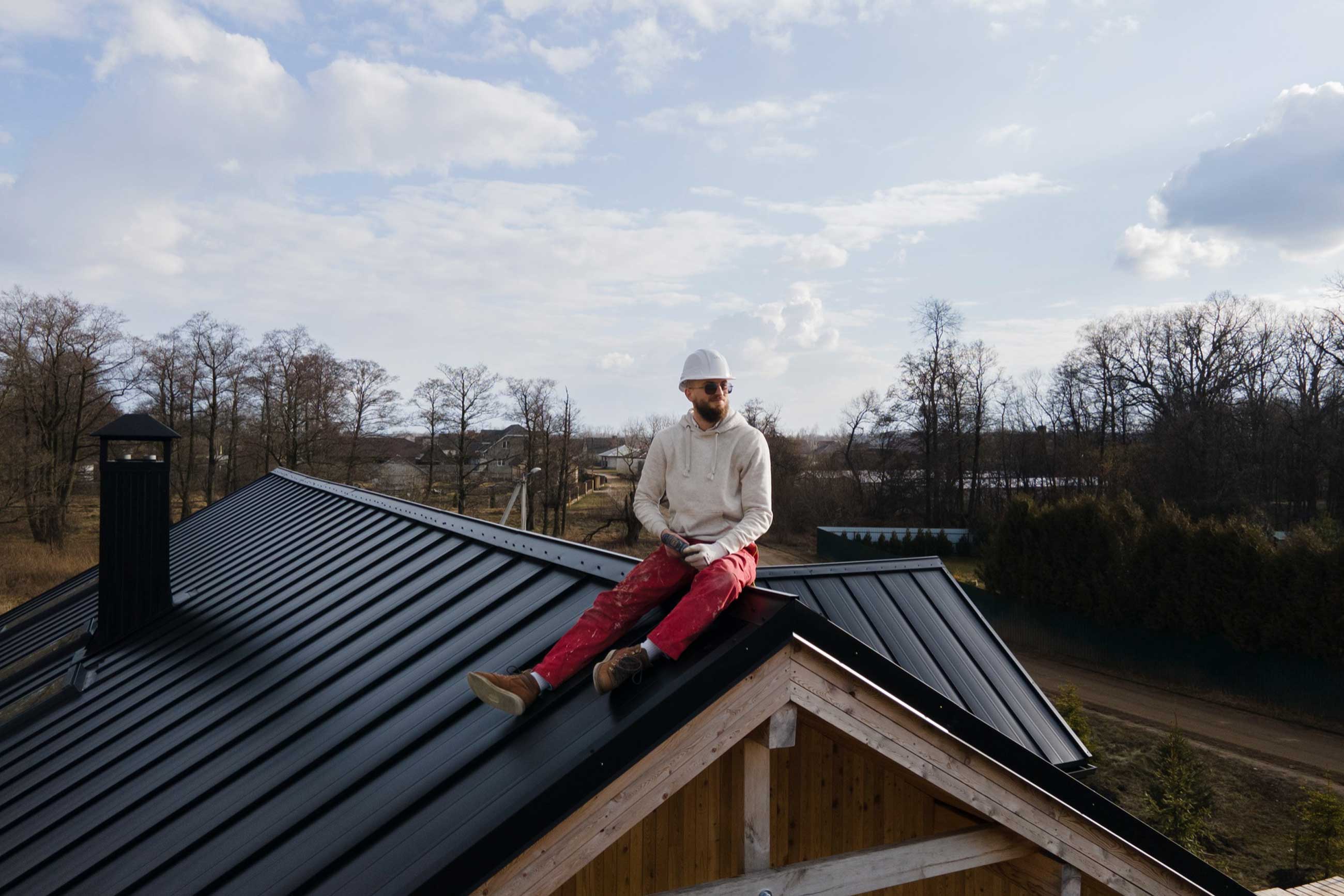
Roofing decisions shape a home’s performance for decades, particularly in coastal regions. On the Mornington Peninsula, environmental exposure challenges standard roofing solutions and shortens their service life when materials lack proper protection.
In this guide, we’ll discuss the most suitable roofing choices for coastal homes that our builders in Mornington Peninsula have trusted for decades.
Why Coastal Roofing Requires a Different Approach
Coastal construction exposes roofing systems to conditions that exceed standard suburban performance assumptions. On the Mornington Peninsula, environmental stressors interact continuously rather than appearing as isolated events.
Builders with coastal experience account for this cumulative exposure when selecting materials, fixings, and installation methods.
Environmental factors unique to the Mornington Peninsula
While the Mornington Peninsula is graced with beautiful views and high-value land, homes in the area face several unique environmental challenges. This includes:
- Salt air
Salt air remains the most aggressive contributor to premature roof degradation in the peninsula. Airborne chlorides travel inland from the coastline and settle on roofing surfaces, fasteners, and junction points. These deposits retain moisture, accelerate oxidation, and compromise protective coatings over time.
Even materials marketed as corrosion-resistant require correct specification and detailing in these environments.
- Wind exposure
Coastal gusts apply uplift forces that place stress on roof fixings, battens, and structural connections. Inadequate fastening systems or incorrect spacing increase the risk of movement, noise, and eventual failure during severe weather events.
- UV radiation
Prolonged sun exposure degrades surface finishes, reduces coating elasticity, and accelerates thermal expansion and contraction. Roofing materials also expand during high temperatures and contract rapidly as conditions change, placing stress on joints and fixings.
Without allowance for this movement, fatigue and material failure occur earlier in the roof’s lifespan.
Most Durable Roofing Materials for Coastal Homes
Coastal performance comes down to two questions: how the material resists salt and corrosion, and how the system holds up under wind, thermal cycling and maintenance realities.
Below, we cover the materials that deliver the best outcomes on the Mornington Peninsula and how builders specify them for coastal exposure.
Colorbond® Steel (including COLORBOND® Ultra / SUPERDURA® options)
Colorbond remains a top choice for coastal roofs when builders specify the right grade, coatings and detailing.
Standard Colorbond products resist corrosion and UV by design, but these are the upgraded grades for marine zones we recommend:
- SUPERDURA® stainless options for very severe marine exposure (closer than ~100 m). These upgraded products use thicker metallic coatings and specialised paint systems to slow chloride attack and extend service life.
- Marine-grade Colorbond products: Confirm the BlueScope warranty terms for your property distance from surf, and insist on coastal-rated flashings and trim.
Concrete and terracotta tiles
Terracotta and high-quality concrete tiles perform strongly in saline environments because they do not corrode, and they resist chloride-driven chemical attack. Additionally, tiles add mass, which helps resist wind uplift. However, they require a roof structure designed for the additional load and careful detailing at ridges, hips and eaves to prevent salt and moisture ingress.
Tile manufacturers in Australia also commonly label their products as “salt safe,” and premium terracotta often carries long colour warranties (some as long as 50 years) and strong wind-rating options.
ZINCALUME® and marine-grade metal alternatives
ZINCALUME® (an aluminium-zinc-magnesium alloy coating) combines sacrificial zinc protection with aluminium barrier protection. And with technologies such as “Activate®,” ZINCALUME® offers extended life in environments where salt spray travels inland.
For many coastal projects, ZINCALUME® with a proven paint system (or Colorbond built on a ZINCALUME® base) gives an efficient balance of corrosion resistance and economic value.
In the most severe exposure bands, marine-grade stainless steel or select aluminium alloys remain the safest long-term options for flashings, gutters, and specialised trims.
Slate and natural stone (selective use)
Slate and some natural stone roofs resist salt and UV without metal coatings, making them attractive for durable coastal roofs. However, these materials require robust structural support and precise installation. Poor tiling or inadequate underlays allow moisture tracking under heavy salt loads.
Use slate only where the architectural intent and structure justify the additional cost and roof mass.
What Good Specification Looks Like
- Pick the right product for the exposure band. Use Colorbond Ultra / Superdura or marine-grade alternatives when the site sits within 100–200 m of breaking surf. For sites further inland but still within salt-air influence, use standard coastal-rated Colorbond or ZINCALUME®.
- Use marine-grade fixings and trims. Stainless steel (316) or specialist coated screws and brackets reduce galvanic and chloride corrosion risk.
- Detail for drainage and salt wash-off. Avoid pockets where salt can gather. Provide positive fall, and design flashings to shed salt and water quickly.
- Factor weight and wind. Tiles increase dead load and can reduce uplift risk if the roof structure and fixings match wind ratings. Metal roofs require correct fastening patterns for coastal wind loads.
- Plan maintenance intervals. Coastal roofs benefit from scheduled inspections and periodic wash-downs to remove salt deposits and check seals before corrosion progresses.
Choose Your Coastal Home’s Roofing with Confidence
In coastal environments like the Mornington Peninsula, the right roofing system protects structural integrity, controls long-term maintenance costs, and preserves the visual appeal that supports resale value.
Homes built with coastal durability in mind also age more predictably. These outcomes depend on informed material selection and experienced construction practices tailored to local conditions.
TEMSEA delivers that expertise. As trusted builders in the Mornington Peninsula, TEMSEA provides roofing guidance for your build that is aligned with your long-term goals.
Talk with us today to plan a roofing solution that supports durability, value, and peace of mind for years to come.