Invisible Comfort: The Physics of Passive Home Design
Invisible Comfort: The Physics of Passive Home Design
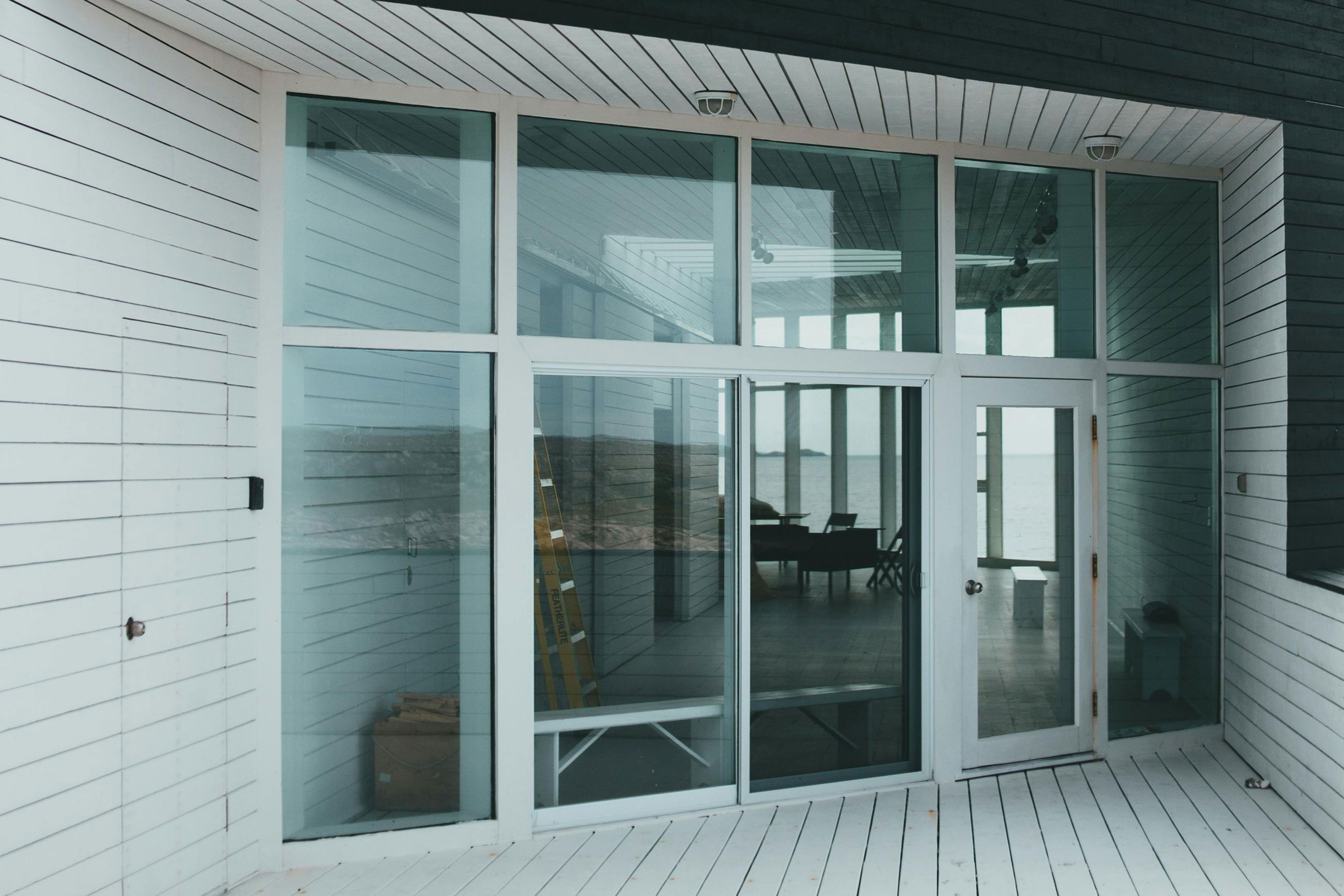
Most conversations about home comfort start and end with HVAC systems. Bigger heater, better air conditioning, smarter thermostat. That's the active approach—constantly burning energy to force your home into submission.
There's another way. Passive home design uses physics, not power bills, to maintain comfort. The building itself becomes the climate control system. When it's done right, you barely notice it working—which is exactly the point.
On the Mornington Peninsula, where we cop southerly blasts in winter and scorching northerlies in summer, understanding the actual thermal physics at play makes the difference between a home that fights its environment and one that works with it.
North Facing Windows: The Solar Collector You Already Own
Everyone knows "north facing" matters. Not everyone knows why.
The winter advantage:
- Winter sun tracks low across the northern horizon
- Perfect angle for flooding rooms with warmth when you need it
- Free thermal energy during the coldest months
The summer protection:
- Summer sun swings high overhead
- Properly designed eaves block direct sunlight entirely
- Keeps rooms naturally cool without air conditioning
This isn't decorative—it's geometry. Engineers measure something called Solar Heat Gain Coefficient to calculate exactly how much thermal energy transfers through each window. Get your north facing glazing positioned correctly, pair it with the right shading angles, and you're pulling in free heating energy all winter without touching the thermostat.
For passive home design on the Peninsula, these calculations need to be specific to our latitude and coastal microclimate. Generic "face north" advice doesn't cut it.
The Invisible Barrier: Under Slab Insulation
Most people think about insulating walls and ceilings. The floor gets forgotten. That's a problem.
The Physics Problem
Concrete slabs conduct heat brilliantly—straight down into the earth. The ground beneath your house sits at roughly 15-17°C year-round. In winter, that's cold. And thermal physics follows one simple rule: heat flows from warm to cold.
An uninsulated slab is a heat drain you're paying to fill every single day.
The Solution
Under slab insulation—typically high-density polystyrene—stops this by creating what's called a thermal break. Heat can't conduct through it, so it stays in your concrete instead of bleeding into the dirt.
The Thermal Battery Effect
Here's where it gets interesting. That concrete slab, when properly insulated underneath, becomes thermal mass:
- During the day: North-facing sun warms the concrete floor
- After sunset: Instead of that warmth disappearing, it radiates slowly back into your rooms
- The result: Ambient warmth underfoot for hours without any heating system running
You're not running underfloor heating. You're just preventing the earth from stealing your free solar gain. That's passive home design working exactly as physics dictates—no ongoing cost, no moving parts, just material science applied correctly.
Frame Material Matters: The uPVC Advantage
Here's what most window discussions get wrong: everyone obsesses over the glass and ignores the frame. That's backwards.
The Aluminum Problem
Double glazing performs brilliantly—until you mount it in an aluminum frame:
- Aluminum conducts heat exceptionally well
- The frame becomes a thermal bridge
- Warmth bypasses the insulated glass entirely
- Great for kitchen sinks, terrible for windows
Why uPVC Changes Everything
uPVC double glazed windows fix this through basic material properties:
- uPVC doesn't conduct heat
- The frame acts as its own thermal break
- Combined with double glazing (two sealed panes with an insulating cavity), you create a genuine barrier to heat transfer
The Coastal Advantage
For Peninsula homes, there's a second consideration:
- Aluminum: Corrodes in salt air
- Timber: Needs constant maintenance and painting
- uPVC double glazed windows: Unaffected by coastal conditions, performing identically year after year
It's genuinely maintenance-free performance, which matters when you're planning for decades of ownership.
Silence as a Side Effect
Nobody talks about this aspect of passive home design, but it's immediately noticeable: acoustic isolation.
How It Works
The same construction techniques required for thermal performance also block sound:
- Airtight building envelope
- Proper under slab insulation dampens vibration
- Sealed uPVC double glazed windows stop external noise
The Real-World Experience
Before: Peninsula winter storms create acoustic chaos—wind rattling gaps, rain hammering thin glass, constant background roar of weather outside.
After: A thermally optimized home creates silence. The building envelope that stops heat transfer also stops sound.
It's not marketed as a feature, but anyone who experiences it understands the value immediately—particularly for coastal sites exposed to constant wind.
The Long Game: Why This Investment Pays Off
Passive home design isn't about gadgets or trends. It's about understanding how buildings interact with physics and designing accordingly.
The Returns You'll See
Immediate benefits:
- Lower energy bills from reduced heating and cooling needs
- Consistent comfort without constantly running systems
- Reduced maintenance on high-performance materials
Long-term value:
- Your home maintains equilibrium naturally
- No dependence on energy-intensive climate control
- Materials like under slab insulation and uPVC double glazed windows perform for decades
Why It Matters Here
For the Mornington Peninsula specifically—with our exposure to coastal weather patterns and significant seasonal temperature swings—building science that works with the environment makes even more practical sense than elsewhere.
Getting Started
If you're planning new construction or a significant renovation, it's worth discussing the actual thermal physics before you commit to a design. Not marketing language or generic sustainability claims—the real performance characteristics that determine how the building will function in ten or twenty years.
Contact our team to discuss integrating proven passive design principles into your Peninsula project.