House Extensions Done Right: What Mornington Peninsula Builders Do Differently
House Extensions Done Right: What Mornington Peninsula Builders Do Differently
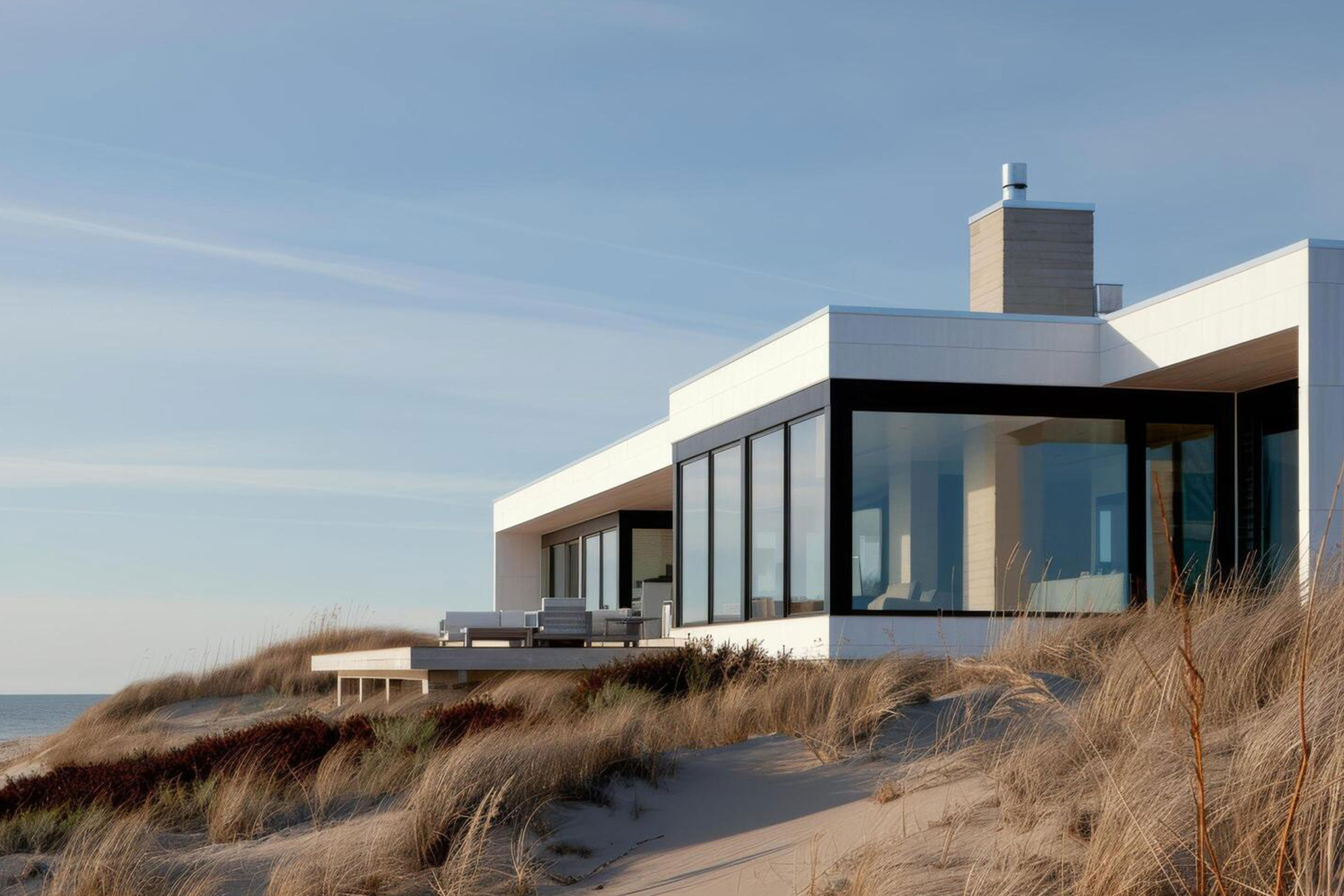
Adding to an existing home is one of the more technically demanding things a builder can take on. A new build is a blank canvas. An extension requires new work to connect to a structure that already has its own history, movement, and material performance profile. Do it well, and the finished home reads as a single building. Do it poorly, and the seams show for as long as the home stands.
On the Mornington Peninsula, the stakes are higher than on a standard suburban project. Coastal conditions test every junction and material decision in ways that do not apply inland. The extension builders Mornington Peninsula homeowners choose need to understand both the technical demands of connecting old and new, and what building in a salt-exposed, wind-driven coastal environment actually requires.
This guide covers what that work involves.
Why House Extensions Are More Complex Than They Appear
A house extension is not simply a matter of adding floor space. The existing home has settled, moved, and aged in ways that affect how new work connects to it. The structural loads introduced by new construction have to be transferred through an existing frame that was engineered to a different standard, often decades ago.
On the Mornington Peninsula, this is compounded by the condition of older coastal homes. Many properties in Blairgowrie, Rye, Sorrento, and Portsea were built to specifications that fall well short of current coastal standards. Fasteners may have corroded, timber may have absorbed moisture, and the original envelope may never have been designed to handle current wind load requirements.
Extension builders on the Mornington Peninsula who understand what they are working with do not treat the existing structure as a given. They assess it, identify where it needs to be upgraded before new work begins, and detail the junctions between old and new to perform over the long term.
Structural Connection to the Existing Frame
The structural connection between old and new construction is where many house extensions fall short. It is not a visible part of the finished building, which makes it easy to under-invest in. The consequences appear later as cracking, movement, or connection failures at the exact point where the two structures were joined.
On exposed Peninsula sites, the connections between existing and new framing must be engineered to meet current wind load requirements.
Hold-Down Connections and Tie-Down Straps
Hold-down connections and tie-down straps are installed to transfer uplift loads from the new roof framing through the new and existing wall frames to the foundation. On coastal sites in higher wind categories, these are not optional details.
Bracing to the Existing Frame
New bracing elements may need to be added to the existing structure to bring the combined home up to current lateral wind-resistance standards.
Foundation Continuity
Where new footings are adjacent to existing ones, the bearing capacity and differential settlement behaviour of both must be understood before work begins.
A builder who reads the engineering documentation from the start and coordinates the structural work accordingly avoids the problems that surface when these details are left to be resolved mid-build.
Material Matching in a Coastal Context
Matching materials between an existing home and a new extension sounds simple. On the Peninsula, it is one of the harder parts of the job. Cladding profiles, roofing materials, and window sections need to match what is already on the home while also meeting the coastal performance requirements set by current standards.
A builder without specific coastal experience may match the visual profile of an existing material while specifying a product that is not adequately rated for the site. The result looks fine at handover. Within a few years, the less durable product starts to respond differently to salt and UV than the original material, and the mismatch becomes visible.
Cladding
Profile and finish need to match the existing home. The product and its fixing system need to meet the corrosion category for the site, which on beachfront and near-coastal properties is typically C4 or C5.
Roofing
New roofing needs to match or complement the existing, and both the material and its fastening system need to be specified for coastal exposure.
Windows and Joinery
Hardware on new windows and doors needs to be specified to marine-grade or Type 316 stainless standard on coastal sites, regardless of what was originally used.
Structural Fixings
Hot-dip galvanised or stainless steel throughout. Standard zinc-plated fixings will fail prematurely in moderate to high coastal exposure zones.
Planning and Permit Requirements
House extensions on the Mornington Peninsula sit within the planning framework of Mornington Peninsula Shire. Depending on the property's zone, size, and location, a planning permit may be required before construction can begin. General Residential Zone and Low Density Residential Zone properties carry specific rules around setbacks, site coverage, and height.
A builder familiar with Peninsula planning requirements can flag potential issues during early design conversations, before drawings have been finalised and fees spent on documentation that may need to be revised. They can identify whether a permit is needed, what the typical council timeline looks like, and how to build that into the project programme from the start.
Heritage overlays, environmental overlays, and bushfire-prone area designations add further layers for some Peninsula properties. Extension builders on the Mornington Peninsula with a track record across different locations know what these overlays mean for construction scope and what councils generally require to support an application.
Roofing and Drainage at the Junction
The roof junction between an existing home and a new extension is one of the most technically critical details of the entire project. Where two roof planes or systems connect, water has to be managed reliably regardless of wind direction or rainfall intensity.
On the Peninsula, wind-driven rain tests flashing and valley details in ways that still conditions do not. A junction that performs adequately in a light shower can fail under a sustained southerly.
Flashing Installation
Flashing must be installed in the correct sequence. Flashing installed in the wrong order will not shed water the way it is designed to, regardless of how well the individual pieces were fabricated.
Valley and Gutter Sizing
A house extension increases the total roof area draining to a given point. The gutter and downpipe sizing needs to account for the combined catchment, not just the new addition.
Penetration Sealing
Sealants used at roof junctions and penetrations need to be appropriate for coastal UV exposure and the thermal movement the roof system will experience.
Beyond the roof, extensions increase the impervious area of a site, which affects stormwater runoff. On Peninsula sites where drainage capacity is limited, thinking through the stormwater implications at the design stage avoids compliance issues and drainage problems after handover.
Managing the Build Around an Occupied Home
Most house extensions are built while the owners are still living in the home. That changes how the project needs to be run. Temporary weatherproofing during the envelope opening phase, dust and noise management, safe access through an active construction zone, and clear staging that protects the rest of the home all require deliberate planning, not improvisation.
On the Peninsula, temporary weatherproofing has to be adequate for coastal weather. A tarpaulin that works in calm conditions is not the same as protection that holds up under a sustained winter blow. The conditions the site actually presents need to be planned for.
Handover should feel like walking into a finished home. That is achieved through how the build is managed throughout, not through a cleanup in the final week.
Second-Storey Additions
Adding a second storey is the most structurally significant type of house extension and is bound by the National Construction Code. It is a complex addition that introduces vertical loading and wind loads to a structure that was designed for neither. This also requires the existing frame, walls, and footings to be assessed before work begins above.
On older Peninsula homes, this assessment frequently identifies elements that require upgrading before the new level can be added. Ground floor wall framing, tie-down hardware, and footings may all need to meet a higher standard than they currently do. Identifying this before construction starts, rather than discovering it mid-project with walls already opened up, is a direct result of thorough preparation.
A second-storey addition also creates new envelope challenges. The connection between the existing roof and the new upper-level walls is one of the more exposed details on the building and needs to be specified and installed with the same coastal rigour as any other part of the envelope.
Questions Worth Asking Before You Choose a Builder
A few direct questions will reveal a great deal about any extension builders Mornington Peninsula project. How do they handle material specification when the existing home's materials fall below current coastal standards? What does their temporary weatherproofing approach look like when the envelope is opened? Can they show you completed Peninsula extension projects, and can you speak with those clients about how the build was managed and how the work has held up?
Builders with real Peninsula experience give specific answers to these questions and reference actual projects. Those without it tend to give general answers that sound reasonable until you press for the detail behind them.
The Long-Term View
A well-executed house extension adds lasting value to a Peninsula property. One that shows its seams, develops maintenance issues at the junctions, or uses materials that have not performed in coastal conditions has the opposite effect.
The standard to hold a builder to is not just whether the project finished on time and on budget. It is whether the home, five or ten years later, reads as a single building and the extension has not become a source of ongoing problems. That is the outcome worth asking about before you choose who builds with you.
Build Your Extension With TEMSEA
TEMSEA are highly rated extension builders Mornington Peninsula homeowners trust with a record of additions that integrate structurally and visually with existing homes and perform in coastal conditions over the long term. We manage the structural assessment, material specification, trade coordination, and site management required for Peninsula house extensions, from the first conversation through to handover.
Get in touch with us today to discuss your project.