Everything You Need to Know Before Starting a House Renovation on the Mornington Peninsula
Everything You Need to Know Before Starting a House Renovation on the Mornington Peninsula

There is a particular kind of ambition that comes to people when they buy a home on the Mornington Peninsula. Something about the coastal light, the rolling landscape, and the proximity to the water encourages a vision of what the house could become — rather than simply what it is. Kitchens that open onto the garden. Bathrooms with long views to the bay. Living spaces that blur the line between inside and out. These aren't fantasies. They're the kinds of outcomes that skilled home renovation builders deliver every season on the Peninsula.
But getting from vision to reality requires considerably more than enthusiasm. A house renovation in a coastal environment like the Mornington Peninsula carries specific demands, specific risks, and specific opportunities that differ meaningfully from renovation work in metropolitan areas. Understanding those differences before you begin can save you months of frustration — and a significant amount of money.
Why Coastal Renovations Are Different
The Mornington Peninsula is a beautiful place to live in part because of the conditions that make building here demanding. Salt air, UV intensity, coastal wind loads, and fluctuating humidity all affect building materials in ways that homeowners don't always anticipate. A finish, fitting, or material that performs perfectly well in suburban Melbourne may deteriorate within two seasons if it hasn't been specified for a coastal environment.
This is one of the first things that distinguishes a knowledgeable home renovation builder on the Peninsula from one who simply imports their urban practice to a coastal setting. The specification process — the selection of materials, fasteners, coatings, and systems — needs to account for what the environment will throw at the finished product over a 20, 30, or 40-year lifespan. Stainless steel fasteners instead of galvanised. Marine-grade joinery rather than standard. Cladding systems tested under salt spray conditions. These decisions happen before a single nail is driven, and they determine whether your renovation is still looking exceptional in a decade or showing its age in three years.
Defining the Scope of Your Renovation
One of the most valuable conversations a homeowner can have before beginning a house renovation is about scope — not in the sense of budget trimming, but in the sense of genuine clarity about what the project is trying to achieve. There is a meaningful difference between a cosmetic renovation (new surfaces, updated fittings, fresh paint), a functional renovation (reconfiguring spaces, improving flow, adding structural elements), and a transformative renovation (changing the fundamental character and performance of the home).
Experienced builders help clients distinguish between these categories because the planning, regulatory, and structural requirements differ substantially. A cosmetic renovation on an existing structure may require minimal council engagement. A structural reconfiguration — removing load-bearing walls, adding skylights, extending footprints — enters a different regulatory landscape entirely and requires careful coordination with building designers and certifiers from the outset.
Getting this clarity early prevents one of the most common renovation problems: scope creep. When homeowners begin a project with cosmetic intentions and then discover mid-way through that a structural intervention is required to achieve the outcome they actually want, the costs and delays compound in ways that a clearly scoped project from the beginning would have avoided.
The Kitchen: Where Renovation Returns Are Highest
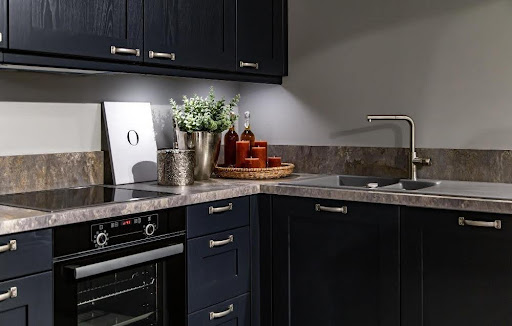
If there is one room in any renovation that consistently delivers both personal satisfaction and measurable property value improvement, it is the kitchen. On the Mornington Peninsula, where coastal holiday homes have been evolving into year-round residences and permanent lifestyle properties, kitchen expectations have risen accordingly.
The contemporary Peninsula kitchen is typically built around several principles: maximum connection to outdoor space, generous natural light, materials that are both beautiful and hard-wearing, and layouts that accommodate the informal gathering style that coastal living tends to encourage. Open-plan configurations that integrate kitchen, dining, and living are standard, but the skill lies in ensuring that the kitchen retains its functionality as a working space while contributing to the larger room's sense of flow and proportion.
Builders working at the luxury end of the market on the Peninsula pay particular attention to the cabinetry specification, the benchtop material, and the integration of appliances. Bespoke joinery crafted by local workshops tends to outperform imported flat-pack solutions in both durability and finish quality — particularly in environments where humidity fluctuations can cause cheaper materials to move.
Bathrooms: Precision Work in Small Spaces
After kitchens, bathrooms represent the highest renovation investment per square metre — and the space where poor workmanship is most visible and most quickly felt. A bathroom renovation requires the coordination of waterproofing, tiling, plumbing, electrical, and cabinetry trades in a sequence where each stage depends on the quality of the one before it.
In coastal environments, the waterproofing specification is especially critical. The Australian Standard (AS 3740) sets minimum requirements for shower and wet area waterproofing, but experienced renovation builders working on Peninsula properties often specify beyond minimum compliance — because the consequences of membrane failure in a coastal environment, where moisture is already elevated, are more severe than in drier inland climates.
The tiling specification also matters in ways that go beyond appearance. Grout selection, tile porosity, and fixing adhesive all interact with coastal humidity in ways that affect long-term performance. A beautifully tiled bathroom that begins to show efflorescence or grout breakdown within five years is a product of under-specification at the build stage, not inevitable deterioration.
Living Spaces and Indoor-Outdoor Flow
One of the defining characteristics of the Peninsula renovation market is the emphasis on indoor-outdoor connection. Properties that successfully blur the boundary between internal living space and external deck, garden, or view command substantially higher market values — and deliver substantially higher daily satisfaction for the people who live in them.
Achieving this connection typically involves one or more of the following interventions: replacing solid walls or windows with large glazed or bifold door systems, restructuring rooflines to create covered transition zones, rebuilding or extending decks and alfresco areas, and landscaping that draws the eye outward and inward in equal measure. The luxury home builders Mornington Peninsula homeowners rely on approach this kind of work with an understanding that indoor-outdoor design is not simply an aesthetic preference — it's a fundamentally different way of organising how a home is lived in.
The engineering behind large glazing systems in coastal areas deserves particular attention. Wind load requirements on the Peninsula are substantial, and glazing systems specified for suburban Melbourne may not meet the performance standards required in exposed coastal positions. A reputable building professional will conduct a site-specific wind assessment before specifying these systems — not as an optional precaution, but as a standard part of the design process.
Managing the Renovation Process
The experience of living through a renovation — even a well-managed one — is inherently disruptive. Experienced builders mitigate this disruption through careful sequencing of trades, clear communication about what will happen each week, and a willingness to have honest conversations when timelines need adjustment. The alternative — promises of unrealistic timelines that then slip without explanation — is one of the most common sources of client frustration in the building industry.
The luxury home builders Mornington Peninsula clients trust have earned that trust in part through their communication practices. Progress updates, clear escalation paths when issues arise, and transparent cost management aren't extras. They're the baseline of what a professional renovation process should look like.
TEMSEA Building Group has built its reputation on the Peninsula through exactly this kind of client-focused practice. From initial consultation through to the final handover, the team's approach is collaborative, transparent, and structured around delivering outcomes rather than managing expectations after the fact.
Planning Approvals and Building Permits
Renovation projects on the Mornington Peninsula may engage several layers of regulatory oversight depending on their scope and location. A permit is required for most structural work under the Building Act, and properties in heritage overlay areas or those affected by environmental significance overlays may face additional planning requirements that affect what can and cannot be done.
Navigating this regulatory landscape is part of the value that skilled home renovation builders bring to a house renovation project. Knowing which applications need to be lodged, which certifiers to engage, and what documentation is required before work commences is not trivial knowledge — and the cost of getting it wrong, in delays and rework, is significant. TEMSEA's established relationships with local building designers, certifiers, and council planning officers mean that regulatory processes are managed efficiently and with minimal surprise.
Extensions vs Full Renovation: Understanding the Spectrum
Not every renovation project needs to be a whole-home transformation. In fact, some of the most satisfying renovation outcomes on the Peninsula result from targeted, high-impact interventions that improve the aspects of a home that matter most without disturbing what's already working well.
A rear extension that adds a generous kitchen-dining space, connects to the garden, and draws in northern light can transform the daily experience of a home without touching the bedrooms, bathrooms, or street facade. A master bedroom suite renovation — new bathroom, built-in storage, private deck connection — can create a retreat-like quality that changes how the whole property feels. A garage conversion or garden studio can add functional space for remote work, guests, or creative pursuits without the disruption of a major interior renovation.
A builder who understands the Peninsula market can help clients identify which type of intervention will deliver the most return — in comfort, in daily liveability, and in property value — relative to the investment. Not every situation calls for the most comprehensive solution. The skill lies in knowing the difference.
Permits, Heritage, and Environmental Overlays
Properties on the Mornington Peninsula are subject to a layered planning environment that can affect renovation scope and process in ways that owners don't always anticipate. Heritage overlays apply to certain townships and properties, introducing requirements around the treatment of streetscapes, original fabric, and external appearance that may limit certain renovation choices or require heritage impact assessments before planning applications can be lodged.
Environmental significance overlays, coastal inundation zones, and bushfire management overlays may also affect what can be built on specific blocks, how close additions can come to site boundaries, and what materials and systems must be used. An experienced home renovation builder brings working knowledge of these overlays to the initial consultation — not as a list of restrictions, but as a set of conditions to design within and around.
TEMSEA's established relationships with local building designers, town planners, and certifiers mean that regulatory engagement is managed as a professional routine rather than a navigational challenge. Clients are briefed on what approvals are required before any commitment to scope is made, ensuring that no one begins a project only to discover mid-way through that a planning permit is required that wasn't anticipated.
Timing Your Renovation on the Peninsula
The Mornington Peninsula's seasonal rhythms affect renovation scheduling in ways that are specific to the region. Many Peninsula properties are holiday homes or part-time residences, creating seasonal windows during which the disruption of construction is more acceptable. Autumn and winter — when the Peninsula is quieter and the property is less likely to be in regular use — are often ideal construction periods, particularly for exterior work where access and site conditions matter.
For year-round residents, the scheduling conversation is more nuanced. The team at TEMSEA works with each client to develop a construction programme that minimises disruption to daily life, identifies which stages can proceed most quickly with minimal impact, and sequences the work so that the property becomes liveable again as early as possible even before all work is complete.
Getting Started with Your Renovation
The best starting point for any house renovation on the Mornington Peninsula is a candid conversation about what you actually want to achieve — not the list of specific works, but the lived experience you're trying to create. That conversation, held early and honestly with the right builder, tends to surface possibilities and constraints that make the eventual project both more realistic and more ambitious in the right directions.
TEMSEA offers consultations across the Peninsula, from Blairgowrie to Red Hill to McCrae, and brings to each conversation the accumulated experience of having delivered renovations across the full spectrum of coastal property types. Whether you're beginning with a modest kitchen update or contemplating a whole-home transformation, the conversation starts the same way: with what matters to you, and how to build it to last.